- 1
- 1

La Isla San Cristóbal es la indiscutible capital del surf en las Islas Galápagos, albergando las olas más consistentes, accesibles y de clase mundial de todo el archipiélago. Galápagos es famoso por sus fondos de roca volcánica y arrecifes generan potentes rompientes que atraen a surfistas de todos los niveles.
Temporadas de Surf y Clima
El archipiélago recibe oleajes tanto del norte como del sur, lo que garantiza olas durante todo el año, divididas en dos estaciones principales:
Temporada Cálida (Diciembre a Mayo): Es considerada la mejor época para un viaje de surf. El clima es soleado, el agua es más cálida (22–24°C) y predominan las marejadas (swells) del Norte con vientos favorables en tierra (offshore).
Temporada Fría/Seca (Junio a Noviembre): El agua se enfría (18–20°C) debido a la Corriente de Humboldt. Entran marejadas constantes del Suroeste. El viento puede ser más fuerte y picado, por lo que se vuelve indispensable usar un traje de neopreno (wetsuit) de 2mm a 3/2mm.
Los mejores Spots por Isla
Isla San Cristóbal
La mayoría de las olas rompen sobre fondo de roca o arrecife de lava afilado, por lo que se requiere precaución.
Punta Carola: Una derecha legendaria y potente para surfistas experimentados que puede alcanzar hasta 10 pies de altura. Su sección interna cercana a la orilla (La Posita) es apta para principiantes. Puedes llegar caminando unos 15 minutos desde Puerto Baquerizo Moreno.
La Lobería: Rompiente de arrecife tipo A-frame (abre a izquierda y derecha) muy consistente. Es famosa porque surfeas acompañado de lobos marinos. Ideal para nivel intermedio a avanzado debido a las rocas expuestas.
Tongo Reef: Una de las mejores izquierdas del archipiélago, con recorridos largos de hasta 300 yardas divididos en tres secciones (tubo, pared y zona suave). Está protegida del viento y es perfecta para nivel intermedio y avanzado. Se accede normalmente mediante lancha o taxi acuático.
El Cañón: Una izquierda de nivel intermedio situada cerca de la bahía. Actualmente, debido a restricciones en la base militar terrestre, el acceso principal es por vía marítima tomando un taxi acuático desde el Muelle Acuario.
Isla Santa Cruz
Ofrece opciones menos famosas pero ideales si te estás hospedando en Puerto Ayora.
Playa de la Estación (Principiantes): Cerca de la Fundación Charles Darwin, ideal para escuelas y primeras lecciones.
Tortuga Bay: Una hermosa playa de arena blanca con un beach break consistente. Es más segura para intermedios al no tener fondo rocoso, aunque la corriente puede ser fuerte.
Cerro Gallina y Las Palmas: Olas remotas ubicadas al oeste de la isla. Requieren obligatoriamente contratar un tour en bote charter de una hora o más para llegar a ellas.
Isla Isabela
Puerto Villamil: Cuenta con un beach break justo en frente del pueblo. Recibe bien los swells del sur entre abril y junio, ofreciendo olas divertidas sobre fondos de arena y parches de lava.
San Cristóbal Island is the undisputed surfing capital of the Galápagos Islands, boasting the most consistent, accessible, and world-class waves in the entire archipelago. The Galápagos are famous for their volcanic rock bottoms and reefs, which generate powerful breaks that attract surfers of all levels.
Surfing Seasons and Weather
The archipelago receives swells from both the north and south, guaranteeing waves year-round, divided into two main seasons:
Warm Season (December to May): This is considered the best time for a surf trip. The weather is sunny, the water is warmer (22–24°C), and northerly swells predominate with favorable offshore winds.
Cool/Dry Season (June to November): The water cools (18–20°C) due to the Humboldt Current. Constant southwesterly swells arrive. The wind can be stronger and choppy, making a 2mm to 3.5mm wetsuit essential.
Best Spots by Island
San Cristóbal Island
Most waves break over sharp rock or lava reef bottoms, so caution is advised.
Punta Carola: A legendary and powerful right-hand break for experienced surfers that can reach up to 10 feet. Its inner section near the shore (La Posita) is suitable for beginners. You can reach it by walking about 15 minutes from Puerto Baquerizo Moreno.
La Lobería: A very consistent A-frame reef break (breaks both left and right). It’s famous for surfing alongside sea lions. Ideal for intermediate to advanced surfers due to the exposed rocks.
Tongo Reef: One of the best left-hand breaks in the archipelago, with long rides of up to 300 yards divided into three sections (tube, wall, and smooth section). It’s sheltered from the wind and perfect for intermediate and advanced surfers. Access is usually by boat or water taxi.
El Cañón: An intermediate-level left-hand break located near the bay. Currently, due to restrictions at the land-based military base, the main access is by sea, taking a water taxi from the Acuario Pier.
Santa Cruz Island
Offers less famous but ideal options if you’re staying in Puerto Ayora.
Playa de la Estación (Beginners): Near the Charles Darwin Foundation, ideal for surf schools and first lessons.
Tortuga Bay: A beautiful white sand beach with a consistent beach break. It’s safer for intermediate surfers as it doesn’t have a rocky bottom, although the current can be strong.
Cerro Gallina and Las Palmas: Remote waves located on the west side of the island. Reaching them requires booking a charter boat tour of one hour or more.
Isabela Island
Puerto Villamil: Has a beach break right in front of the town. It welcomes southern swells between April and June, offering fun waves over sandy bottoms and patches of lava.
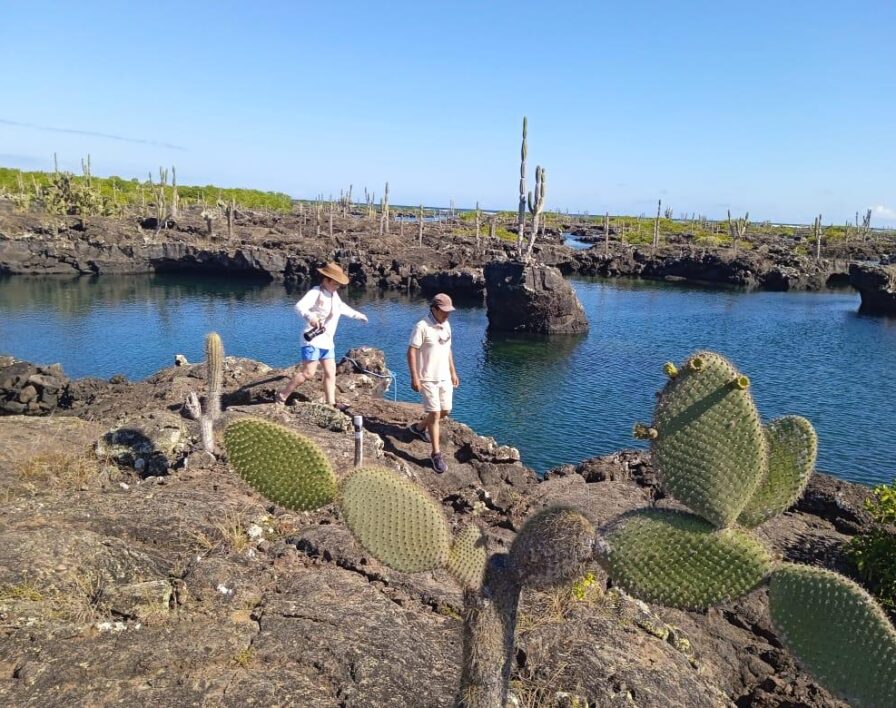
Tour diario de aventura. Incluye actividades de recreación, deportes y visitas a volcanes de la isla / Daily adventure tour. Includes recreational activities, sports, and visits to the island's volcanoes